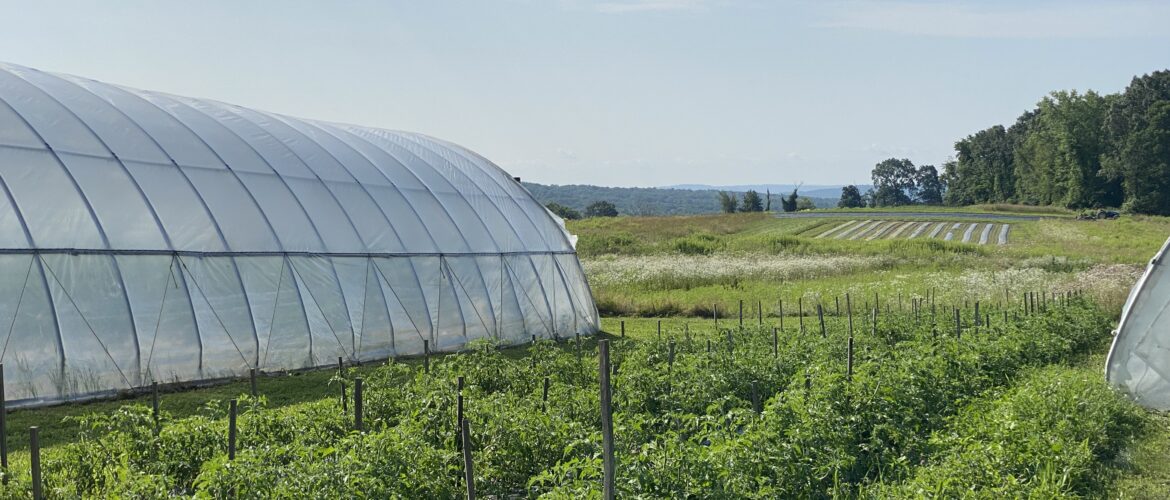
In the rolling hills of Washington, Connecticut, Damaris and John Horan made a decision four years ago that will ripple across generations. They chose to preserve 78 acres of their family farmland — a bold commitment at a time when development pressures loom large for most or all family farms in Connecticut. That act of conservation wasn’t just about protecting land. It was about planting the seeds for the future they believe in.
The story really began three decades earlier with their oldest son, Dan, who returned from college in 1990 full of energy and ideas. Inspired by a passion for organic food and sustainability, Dan began farming just a quarter-acre of vegetables and coined the farm’s now-iconic motto: “Listen to your mother, eat your vegetables.”
Patrick and Quincy, the Horans’ twin sons, joined in during summer breaks, initially drawn by the fun and freedom. But over time, something deeper took root.
“You really feel like you’re making a difference here,” Quincy says.
Today, the seeds of grit, determination, and conservation have blossomed into Waldingfield Farm, one of the state’s most respected organic farms.
The Horans’ conservation decision will prove critical for future farmers, too. As Connecticut’s farmland disappears at one of the highest rates in the country, land prices have skyrocketed.
“Access to affordable farmland is the single biggest challenge for young farmers,” Patrick explains. “Without preserved land, it would’ve been nearly impossible for us to build what we have.”
But make no mistake, success didn’t come easily.
Learning, Innovating, Making the Impossible Happen
“We had no idea how to farm when we started,” Patrick admits, as he looks back more than 30 years. The brothers had to learn everything from the ground up, weathering storms both literal and economic.
“Farming in Connecticut means competing with states that can grow cheaper, year-round,” he says. “But we found our niche. Our Community Supported Agriculture (CSA) model and local market presence have made our farm viable and resilient.”
They now grow food for hundreds of families, as well as for multiple farmers’ markets, and are an integral part of the community.
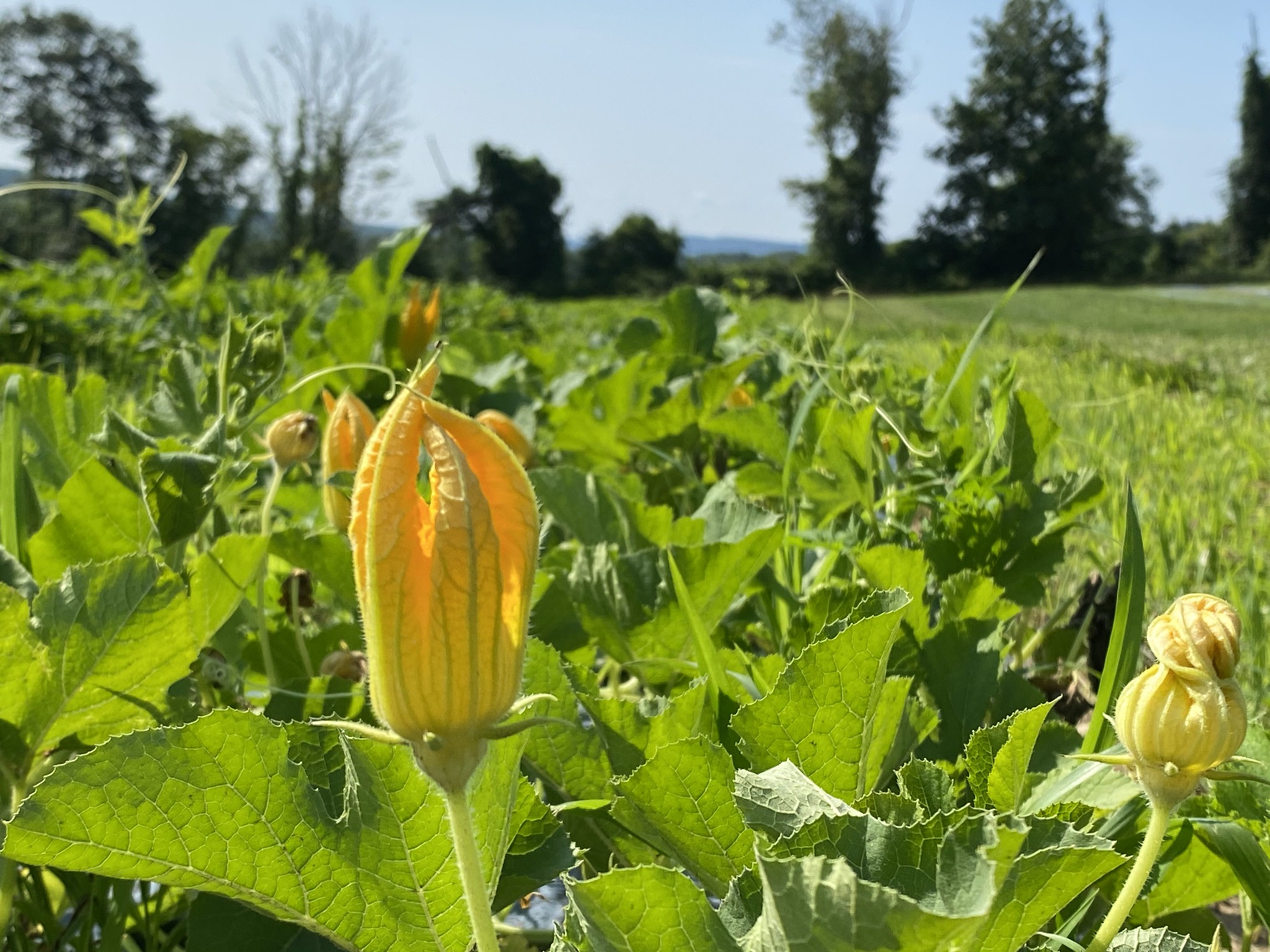
For the Horans, conserving their farm isn’t just about keeping development at bay. It’s about sustaining a way of life and securing local food for future generations. That’s true for many of the farms that Connecticut Farmland Trust has conserved over the past 23 years.
It often takes years for a farm family to decide if conserving their land is right for them. There are important questions to be answered, conversations about future goals and how to enhance the soil and farm viability. It’s a process that can’t be rushed. Our staff is only able to spend that time with these farm families thanks to the contributions of our community, people like you.
“Once farmland is gone, it doesn’t come back,” Patrick observes. “Preserving land means giving the next generation a fighting chance. It’s how communities remain connected to the land and their food.”
Waldingfield Farm stands today not only as a model of agricultural innovation and determination, but also proof of what’s possible when land is protected and removes unrelenting development pressure for new farmers. For aspiring farmers, and for families wondering what legacy they want to leave, farmland conservation can make that possible.
If you—or someone you know—want to reduce your federal and state income taxes, protecting your land can help. You would continue to own and manage the land and can sell or bequeath the land knowing that your conservation agreement (conservation easement) will run with the land forever. We are available to discuss the details, please contact Elisabeth Moore at emoore@ctfarmland.org or 860-247-0202, ext. 224.