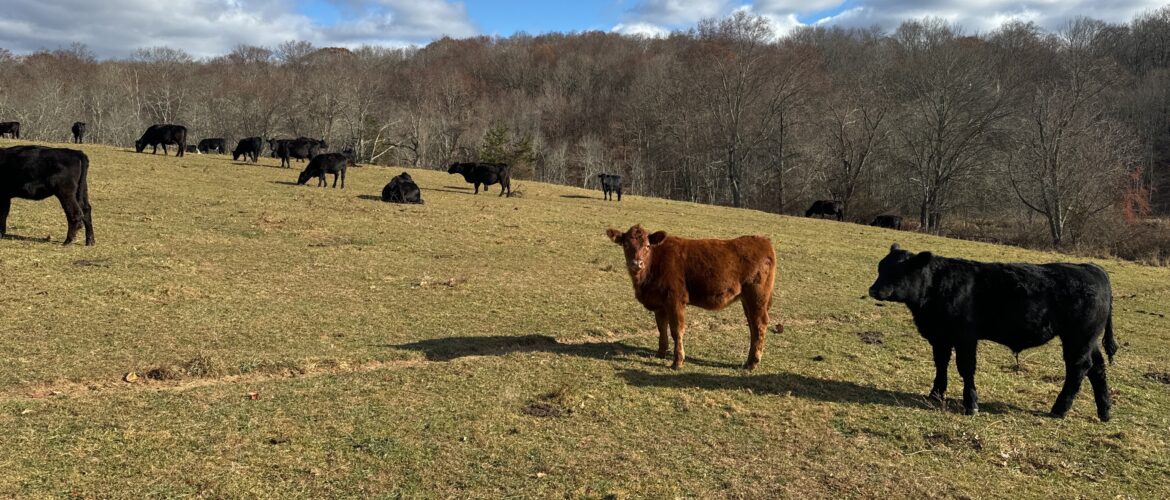
It has been two years since Dicks Farm was permanently conserved, and for David Dicks Jr., the decision brought some relief.
Looking back, David recalled many seasons spent alongside his father and brothers, first with the dairy and then on their beef cattle farm in Southbury. The daily rhythms of caring for their animals and tending the land passed on key personal values — responsibility, persistence, and an understanding of where food comes from.
Among the lessons David carried forward was a deep conviction that the land would remain farmland forever.
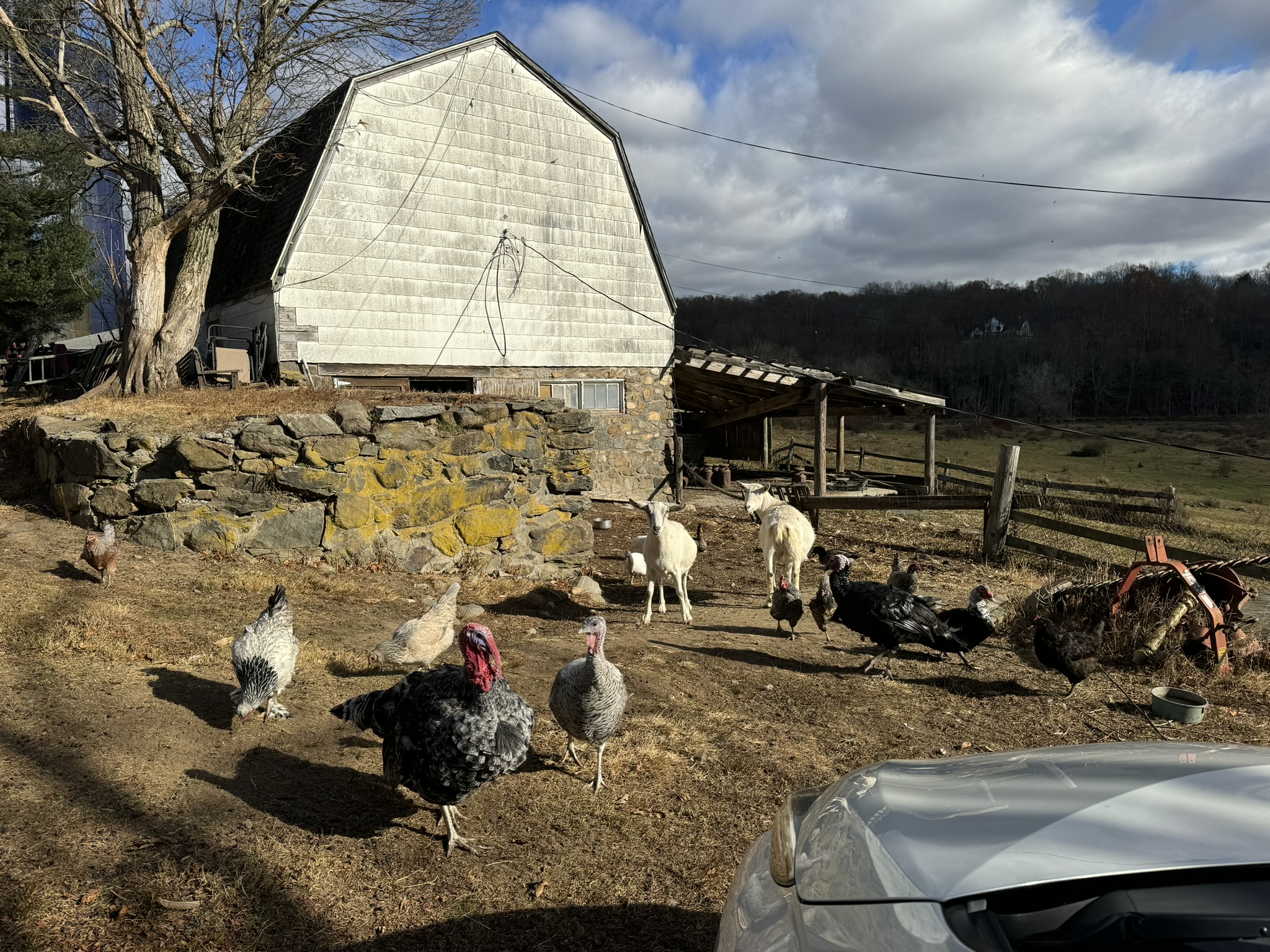
That conviction set him on a path toward land conservation. At 221 acres, Dicks Farm is unusually large in Connecticut. According to the USDA’s 2022 Census of Agriculture, the average farm in the state is just 74 acres. New farmers, especially those who are not inheriting land, need smaller parcels.
After his father passed, as David and his brothers addressed settling the estate, they worked with the Connecticut Department of Agriculture and the Connecticut Farmland Trust to structure conservation of their land in three parcels, a thoughtful step that provides flexibility for future farmers. Most of the funding for the purchase of development rights came from both federal and state governments, but there was a gap.
Fortunately, the Southbury Land Trust had long recognized the property’s significance due to its location and proximity to nearly 2,000 acres of conserved lands. Southbury Land Trust played a central role not only in shaping the conservation strategy and contributing $128,000 to close that critical funding gap.
As with many of our partnerships, our role included developing a conservation plan with the landowners, preparing the federal funding proposal, coordinating with state officials, and ultimately co-holding the conservation easements. By serving as an easement holder, we remain connected to the land long after the project is completed, working with current and future landowners to ensure the conservation vision is honored for generations to come.
Now, two years after the farm was conserved, David reflects on the journey with pride.
“Knowing this land could never be paved over is great reassurance, not only for me, but for future farmers,” he shares. “My experience on this land has shown me just how deeply farming is a way of life. Caring for this land has given me strength to tackle the many real challenges of farming in Connecticut.”
Today, David continues to farm two of the conserved parcels, and new farmers have begun their own chapter on the third. For many people, conservation is what makes land access and a future in farming possible. When families, land trusts, and public partners come together, they help ensure that farmland, and the sense of community it supports.