Caring for the land, fostering community
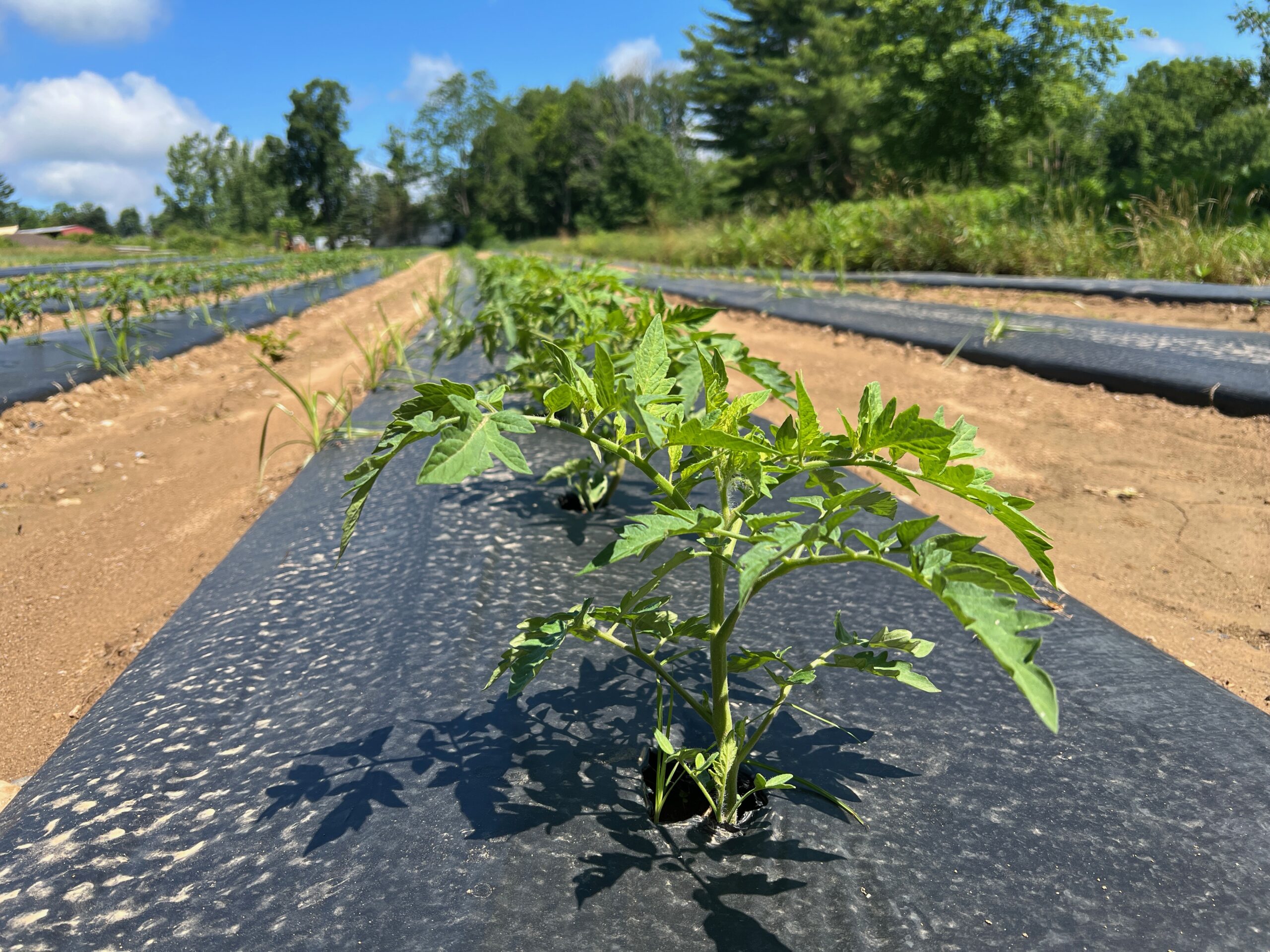
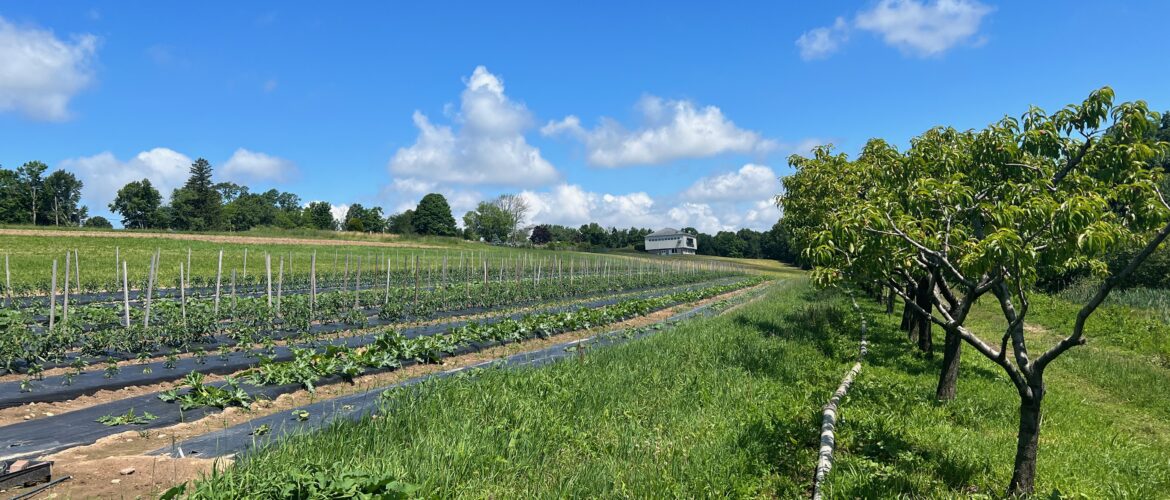
Near the high school in Bolton, surrounded by conserved land, Pesce Farm has been part of the community for decades. Larry Pesce grew up there, working nights and weekends alongside his family, learning early what it takes to keep a farm going.
Like many, he stepped away for a time to try something different. But it didn’t feel right.
“For most people, the highlight of their week was getting their paycheck,” he says. “I wanted more.”
Coming back to the farm gave him a different kind of satisfaction, tied to the work itself and the people around it.
Over the years, Larry adapted to keep the farm viable. He expanded into direct sales, built relationships with local stores and restaurants, and opened a farmstand. When farmers’ markets grew in popularity, he made sure Pesce Farm was part of them. And for many in Bolton, the farm is simply where you go for strawberries in the summer.
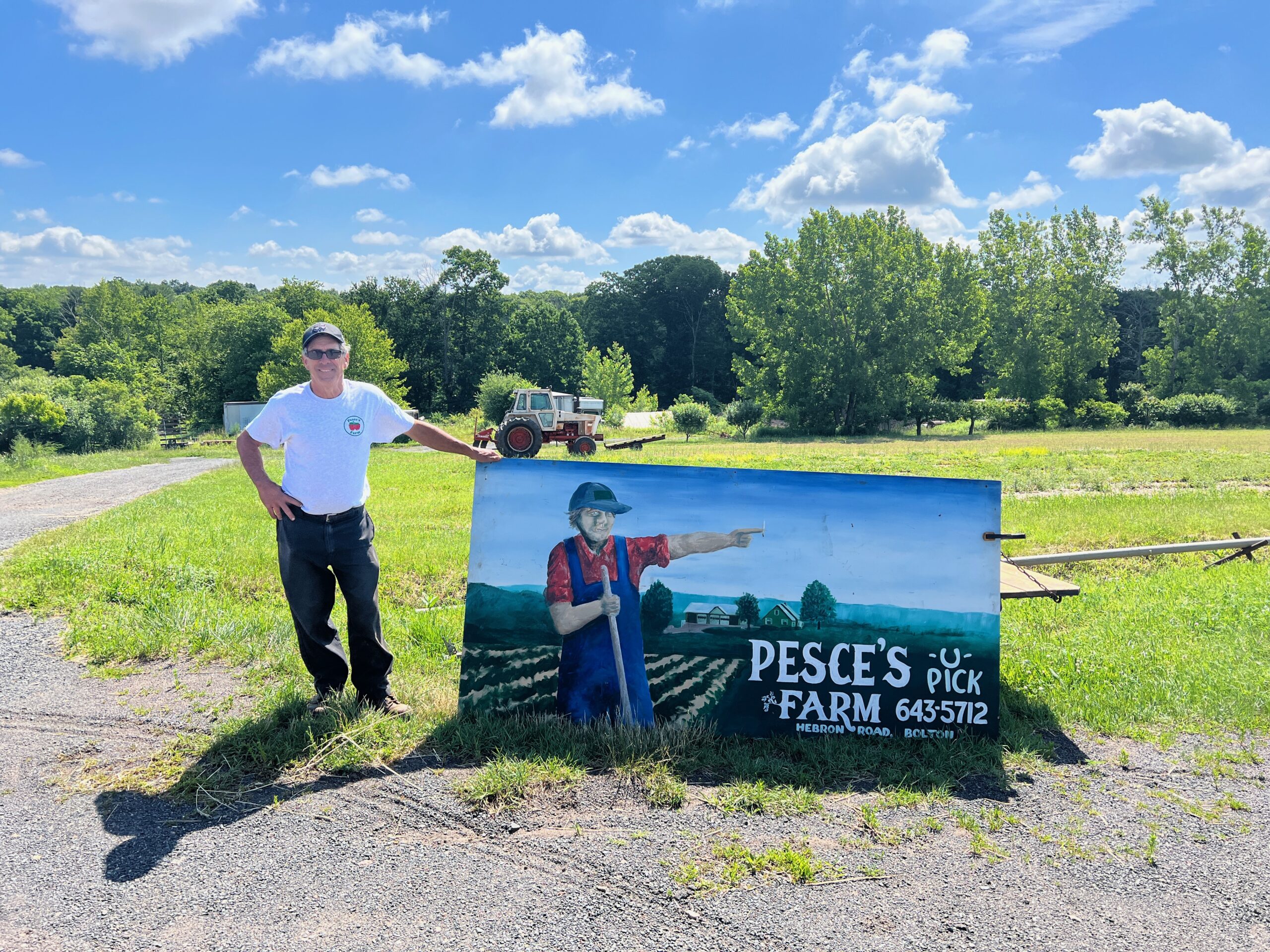
“I think the future of Connecticut agriculture is in creating your niche,” Larry says. “But whatever you do, you have to stay connected to your community.”
That connection has become more important as the number of farms in Bolton has declined. Where there were once dozens, only a handful remain.
Like many farmers without a next generation ready to take over, Larry began thinking about what would happen to the land.
He saw other farmers taking steps to protect their land for the future. With guidance from Connecticut Farmland Trust, the Bolton Land Trust, and the Connecticut Department of Agriculture, he began the process of placing an agricultural easement on the farm.
The process wasn’t simple. It involved navigating legal agreements and meeting state and federal requirements. Along the way, staff at Connecticut Farmland Trust helped answer questions and clarify options as he moved through the process. In the end, the easement ensures that the land will remain available for farming.
Like other conserved farms, it also allows the land to continue to quality for “agricultural exemption,” where it is assessed on its agricultural use, rather than development value, for property tax purposes. State and federal programs helped fund the easement, recognizing the quality of the soils and the farm’s long-term viability.
“One thing I learned is that the government (the state easement program) doesn’t preserve just any land,” Larry explained. “Their funding is meant to ensure the land supports a thriving farm business forever.”
Farming for the future
Farming, for Larry, was not just about crops and yields; it was about the relationships fostered through shared labor and mutual support. “It’s demanding work, and the pay isn’t great,” he admits, “but the independence and community impact make everything worthwhile.” There’s a sense of certainty.
“It is a relief to look out at the fields and know they will always be here for someone to farm,” Larry says.
And then there are the people. Larry still hears from those who worked on the farm years ago. They remember long summer days and the pride of seeing something grow because of their work. For many, it was their first experience of being part of something that mattered.
That’s what farms like this hold onto. Not just land, but the kind of place people return to, as part of the community.