Maxine Mindel and her siblings’ perspective on land and its future was shaped early on, when their maternal Schwartz grandparents’ 100-acre farm was sold and later turned into a subdivision.
“I have always felt that this was such an unfortunate demise of a one-of-a-kind property. Who knew it would be obliterated?” – Maxine Mindel
In a letter reflecting on those years, Maxine recalls, “Over the next few years the new owner gradually tore down all the buildings until only the house was left, and then that was torn down too. He built a number of immense chicken coops…. Eventually all the chicken coops were torn down, and now the area has a small subdivision.
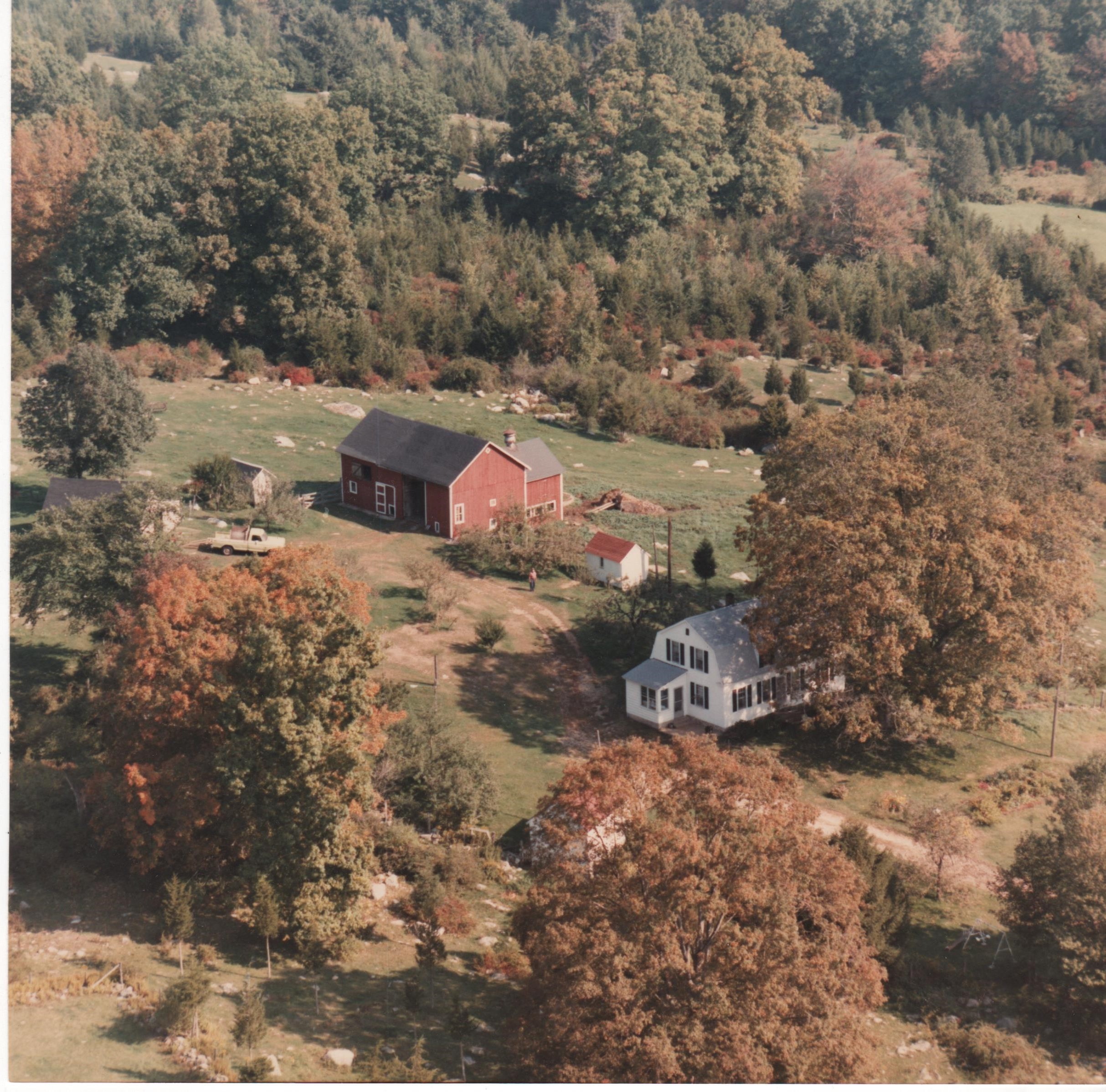
The 32 acre Mindel Farm in Lebanon had been purchased in 1956 with the intent to continue to provide the family with fresh dairy and vegetable products as had been done at their Mindel grandmother’s home in Bozrah. Though the Mindels’ father had a full-time career with the state highway department, his dairy farming upbringing remained with him on the Lebanon farm.
When the Mindel siblings’ mother passed and their father was in declining health, the 32-acre family farm faced the same fate as their maternal grandparents’ farm. The question was whether it would remain in farming or follow the same path. For Maxine and her siblings, the answer mattered deeply.
Maxine began exploring ways to protect the property, but options were limited. At the time, smaller farms were often overlooked by public programs. Looking for another path, she reached out to Connecticut Farmland Trust.
With guidance from our land trust, the family chose to donate a portion of the value of a conservation easement. The remaining funding came together through partnerships with the Town of Lebanon and the USDA Natural Resources Conservation Service. In 2011, a permanent restriction was placed on the land, ensuring it would remain available for agriculture. The farm’s productive soils and its connection to more than 500 acres of nearby open land made it an important part of the town’s agricultural landscape.
Before the project was finalized, Maxine reflected on the process: “It has been a long journey, but with the support of my siblings, and Elisabeth Moore’s encouragement and ongoing phone contact, we are seeing this to fruition.”
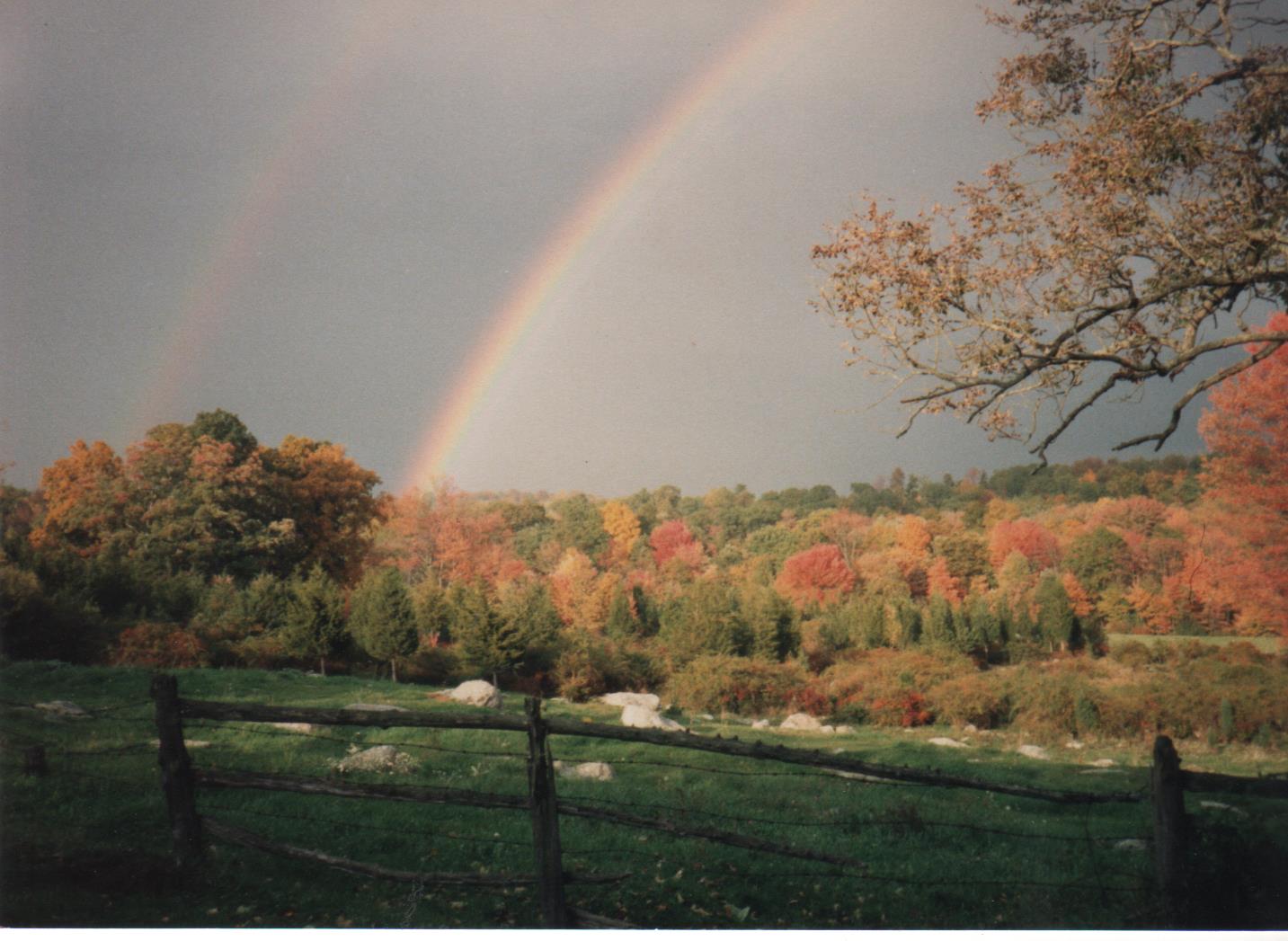
“It would be wonderful if the agricultural nature of the origin of Lebanon is preserved. I’ve seen a number of farms in Lebanon disappear over the years and I want to make sure that it doesn’t happen to my parents’ property.” – Maxine Mindel
The next chapter came when the Mindel siblings sold the conserved farm to Cyril and Lindsay Green, who had long hoped to farm in Lindsay’s hometown of Lebanon. Like many new farmers, they had struggled to find land they could afford. The conservation easement made the farm more affordable and allowed them to move forward with purchasing it.
Maxine shared, “I know that future stewards of the property will build their own memories from the richness of the farmland.”
Now known as Stoneboat Farm, the property is once again active. Fields that had grown over are being brought back into use, animals are on the land, and the farm is part of the working landscape at the southern edge of town.
In a place where farmland has steadily disappeared, this outcome reflects a different choice. One family ensured their land would remain in agriculture. Another was able to take over the next generation of care.