

News
August 4, 2020
The Future of Farming Begins Now
When you picture a Connecticut farm, what do you see? Do you see innovative young farmers working the land? We hope you do—because that is the reality we’re building together in Connecticut.
In recent months, your support has helped Connecticut Farmland Trust (CFT) protect two farms that will forever be available to future generations of farmers. From watching a 300-year-old farm be prepared for new farmers, to seeing land formerly slated for mining restored for agricultural use, CFT is proud to have helped the owners of these farms fulfill their visions to permanently protect their land for farming.
Preservation with Future Farmers in Mind
When asked what he sees for the future of his farm, John Wraight says, “That’s up to the people who come after me.” Thanks to John’s foresight and CFT’s help, John can look to the future with confidence.
Wraight Farm is a hidden gem in rural Ellington owned by John and Gloria Wraight, a future-minded couple who donated the development rights of their farm to CFT. Their donation created a conservation easement on the land, which allows the Wraights to retain ownership of their farm and sell it in the future without worry that it will be taken out of agricultural use.
John’s parents bought 70 acres of farmland on a dirt road with only two houses on it in 1956, for $12,000. They raised Hereford cattle and produced eight to ten thousand pheasants a year. The farm began to transition away from pheasants and beef cattle in the 1970s, and since then, John has continued to work the land as a hay operation.
As the decades went by, John saw the dirt road he grew up on change. He wanted to make sure his family’s farm would not be targeted for a subdivision and instead would remain available as a resource to the next generation of farmers in Ellington. So, the Wraights entrusted the development rights of their farm to CFT, ensuring the land’s farming heritage would be honored going forward.
“The protection of this farm preserves some of Connecticut’s best agricultural soils in a rapidly developing area of the state and allows for continued farming opportunities in the years to come,” said CFT’s Executive Director, Elisabeth Moore.
With the farm preserved, John and Gloria aim to sell the land and farmhouse to a beginner farmer so the land can continue to be cultivated. CFT has helped the Wraights enroll in the Connecticut FarmLink program to connect their property to its next farmer. The Connecticut FarmLink program, which CFT administers, is a clearinghouse to assist farmers in finding land to sell, buy and lease. Farmers and farm owners can also get support, resources, and consultations for free through the program to help them connect with the right buyer or seller.
“In Connecticut and across the country, the biggest challenge facing beginner farmers right now is access to good, affordable land,” says CFT Conservation Manager Kathleen Doherty. “For the Wraights to not only preserve their land, but also to be thinking about who will be farming it after them, is very forward-thinking. This farm and its soils will be an amazing resource for the next farmer.”
Preparing Pheasant Farm for First-Generation Farmers
In a twist of fate, Ken Sigfridson bought an overgrown property to mine for gravel, but ended up restoring the land to create a high-quality farm and then protecting it for the next generation—his grandchildren.
“The farm will always be there, should they want it for any agricultural endeavor that they wish to pursue,” said Ken.
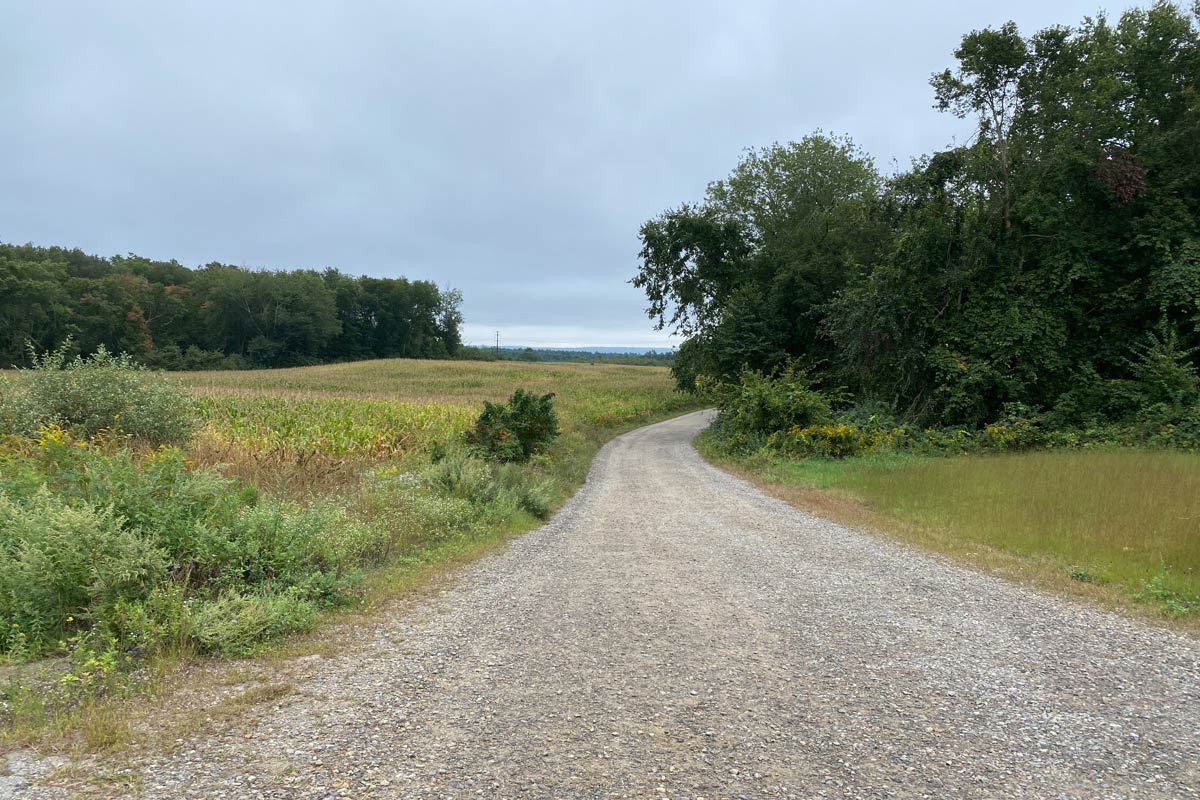
Back in 2006, Ken bought a 104-acre former pheasant farm, which spans land across Lisbon into Canterbury. The land was overgrown, and Ken planned to dig up the soil and gravel to sell for profit. Then the economic downturn in 2008 forced him to think about other options for the future of his land. Instead of mining it, he went the opposite route. He decided to restore the land, enrich the soils, and clear the fields.
Ken received multiple grants from the Farmland Restoration Program, a state program that helps farmers cover the cost of clearing and improving farm fields. He has greatly expanded the tillable acreage on the property over the years. In 2016 Ken reached out to the Connecticut Department of Agriculture’s Farmland Preservation Program to help make his vision happen, and the State in turn asked CFT to be their partner in protecting the farm.
“The permanent protection of Pheasant Farm highlights the importance of ensuring agricultural farmlands will forever be available for current, and future, farmers in Eastern Connecticut,” said Bryan P. Hurlburt, Connecticut Commissioner of Agriculture. “It also showcases the value of our Farmland Restoration Program to bring vital acreage back into production.”
Now that the farm is preserved forever, Ken is excited about the possibilities it provides to farmers in the area. His land is already an asset to the Eastern Connecticut farming community.
The farmland is leased by Tyler Brothers-Ledgebrook Farm, which uses it to grow corn for their dairy cows. Despite not coming from a farming family or personally working his land, Ken’s vision and forward thinking, along with the resources of CFT and the state’s Farmland Preservation Program, have restored a resource for the whole community.
Ken has six grandchildren between the ages of 4 and 13 and he wants them to have the option to work the land in the future. He’s created a path that will allow them to become first-generation farmers if they choose and preserved his land for future farmers if his grandchildren decide to pursue a different path.
CFT Executive Director Elisabeth Moore said the Trust is pleased to once again partner with the State of Connecticut and the USDA-Natural Resources Conservation Service to protect another family farm.
“Pheasant Farm is just the type of farm that CFT wants to protect. The high-quality soils and location in active agricultural communities make it a high priority for both us and our partners. It is a pleasure to work with landowners like Ken who are so committed to protecting their land for future generations.”